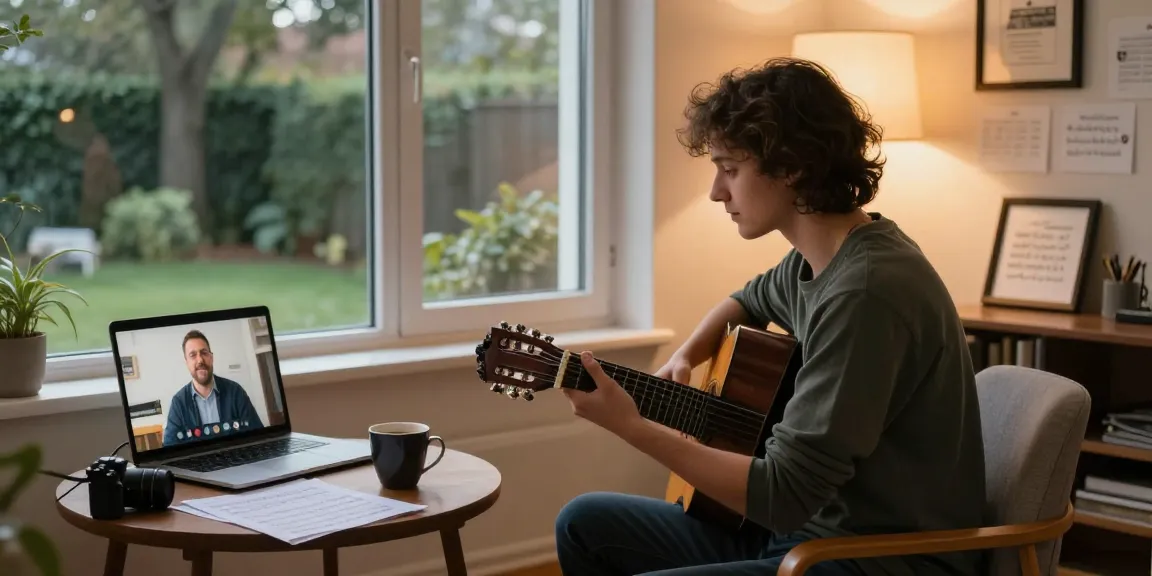
Understanding the Benefits of Zoom Guitar Lessons
In an increasingly digital world, learning to play the guitar has never been more accessible, thanks to innovations like Zoom Guitar Lessons. These online sessions offer a unique blend of expertise and flexibility, making it possible for aspiring musicians to develop their skills from virtually anywhere. For those who seek a structured learning experience with expert guidance, online lessons can provide an effective alternative to traditional classroom settings.
Why Choose Online Learning for Guitar?
Online guitar lessons have gained immense popularity due to their convenience and the ability to connect with skilled instructors worldwide. With just a stable internet connection and a device capable of running Zoom, students can access high-quality instruction without geographical limitations. This accessibility opens doors for individuals who might otherwise face obstacles in attending in-person classes.
Advantages of Learning with a Certified Teacher
One of the significant benefits of enrolling in Zoom guitar lessons is the opportunity to learn from certified, professional musicians. A certified instructor brings years of training and performance experience, ensuring that students receive valuable insights and feedback tailored to their individual learning styles. This personalized approach helps students grasp complex techniques and musical theory more effectively than they might in a crowded classroom setting.
Flexibility in Scheduling and Location
Flexibility is a key advantage of online learning. Students can select lesson times that fit their schedules, making it easier to balance practice with other commitments. Moreover, the ability to learn from any location—be it at home, in a park, or while traveling—eliminates the stress associated with commuting to a physical classroom. This adaptability can lead to a more relaxed learning environment, allowing for enhanced creativity and focus during practice.
The Unique Methodology of Online Guitar Instruction
Effective online guitar instruction utilizes a combination of assessment, structured curriculum, and real-time feedback to facilitate student growth. The methodology focuses on addressing individual needs through tailored lesson plans, helping each student achieve their personal musical goals.
Assessment of Individual Student Needs
Every student arrives with different backgrounds, skills, and aspirations, which is why a thorough assessment is paramount. During the initial consultation, instructors evaluate each student's current technical level, strengths, and areas for improvement. This tailored approach ensures that lessons are appropriately challenging and relevant, paving the way for consistent progress.
Structured Curriculum for Various Skill Levels
Whether you are a beginner picking up a guitar for the first time or an advanced player looking to refine your technique, a well-designed curriculum is essential. Online instructors often employ a structured progression system that builds upon foundational skills, introducing more complex techniques as students gain confidence and competence. This scaffolding approach allows students to develop at their own pace, ensuring they feel both challenged and supported throughout their learning journey.
Real-Time Feedback and Progress Tracking
Receiving immediate feedback is one of the most significant advantages of online lessons. During a Zoom session, instructors can observe students in real-time, allowing for instant corrections and adjustments. Additionally, many teachers track student progress through regular assessments and check-ins, which provides clarity on growth areas and keeps students motivated. This ongoing evaluation helps maintain accountability, fostering a commitment to consistent practice and improvement.
Challenges Faced During Virtual Guitar Lessons
While the advantages of Zoom guitar lessons are numerous, there are also challenges that students may encounter. Recognizing and addressing these can help ensure a smoother online learning experience.
Technical Issues and How to Overcome Them
One of the most common challenges faced during virtual lessons is technical difficulties, such as connectivity issues or sound quality problems. To mitigate these issues, students should invest in a reliable internet connection and consider using external microphones or headphones to improve audio clarity. Prior to lessons, running a quick technology check can help identify and resolve potential problems before they disrupt the lesson.
Common Misconceptions about Online Learning
Some students may harbor misconceptions about the effectiveness of online learning compared to in-person instruction. Many believe that online lessons lack the personal touch of face-to-face interaction, leading to diminished learning experiences. However, skilled instructors can create an engaging and interactive atmosphere in a virtual setting, making use of various tools and techniques to keep students engaged and motivated. Emphasizing communication and utilizing visual aids can also enhance the online learning experience.
Maintaining Motivation and Focus Remotely
In a virtual learning environment, it can be easy to become distracted or lose motivation, particularly if lessons are conducted in a home setting. Students should establish a dedicated practice space that minimizes distractions and fosters concentration. Setting specific goals for each practice session can also help maintain focus and motivation. Instructors play a critical role in this aspect, as their encouragement and structured lesson plans can inspire students to stay committed to their practice.
Enhancing Your Guitar Skills with Personalized Plans
The effectiveness of Zoom guitar lessons is significantly enhanced by personalized learning paths that cater to each student's unique goals and timelines. Creating an individualized plan can take your guitar skills to the next level.
Create Your Individual Learning Path
A customized learning path begins with a clear understanding of personal goals—whether that's mastering a specific genre, preparing for an audition, or simply enjoying playing for fun. Teachers can collaborate with students to create a structured curriculum that targets these goals, integrating various styles and techniques to keep lessons fresh and engaging. Additionally, regularly revisiting and adjusting goals ensures that students remain motivated and challenged as they progress.
Setting Realistic Goals and Timelines
Setting achievable goals is crucial in managing expectations and maintaining motivation. For beginners, goals might involve learning basic chords or simple songs, while advanced players could focus on refining technical skills or exploring complex compositions. Instructors can help establish realistic timelines based on a student's commitment and practice schedule, resulting in a more rewarding learning experience.
Utilizing Technology for Continuous Skill Development
Leveraging technology can enhance skill development beyond lessons. Recording sessions can help students review their playing, identify areas for improvement, and track progress over time. Online resources such as instructional videos, practice apps, and forums for discussions can also supplement learning, providing additional opportunities for growth outside of lessons.
Future Trends in Online Music Education by 2026
As technology continues to evolve, the landscape of online music education is expected to undergo significant changes by 2026. Staying informed about these trends can help students maximize their learning potential.
Emerging Technologies in Online Learning
New technologies such as augmented reality (AR) and virtual reality (VR) are poised to revolutionize online guitar instruction. These immersive tools could allow students to visualize finger placements and techniques in real-time, providing a richer learning experience. Additionally, advancements in artificial intelligence (AI) may lead to applications that offer personalized practice recommendations based on a student's performance and progress.
Predicted Changes in Student-Teacher Dynamics
The dynamic between students and teachers is likely to evolve as online learning matures. Increased reliance on technology may enable a more collaborative approach to music education, with students and instructors co-creating lesson plans and curricula. This partnership can foster deeper connections and a more engaging learning experience, with instructors adapting their teaching styles to meet the unique needs of each student.
Expanding Accessibility to Music Education Worldwide
One of the most promising trends is the potential for increased accessibility to music education globally. Online platforms can break down barriers, allowing students from diverse backgrounds and regions to access high-quality instruction. As more instructors embrace virtual teaching, opportunities for underrepresented communities will expand, democratizing the pursuit of musical education.
Are Zoom Guitar Lessons Suitable for Beginners?
Zoom guitar lessons are highly suitable for beginners, as instructors often tailor their teaching to accommodate varying skill levels. Instructors can provide specialized guidance focused on foundational techniques, making the learning process enjoyable and effective for newcomers. Additionally, the flexibility of online lessons allows beginners to practice in a comfortable environment.
What Equipment Do I Need for Online Guitar Lessons?
To participate in Zoom guitar lessons, minimal equipment is required: a functional guitar (acoustic or electric), a device capable of running Zoom (computer, tablet, or smartphone), and a stable internet connection. Investing in good-quality headphones can enhance the audio experience, allowing students to hear instructions clearly. Optional accessories include a guitar tuner and a music stand to hold sheet music or lesson materials.
How Quickly Can I Progress with Zoom Lessons?
The rate of progress in Zoom guitar lessons varies depending on several factors, including the time dedicated to practice and the individual's prior experience. With consistent practice and guidance from a skilled instructor, students can expect to see significant improvements within weeks or months. Setting realistic goals and maintaining a regular practice schedule are key elements that contribute to efficient progress.